Understanding the UK Driving Licence: A Comprehensive Guide
Obtaining a driving licence in the UK is an important milestone for many individuals, symbolising independence and liberty. Nevertheless, the procedure can be complex and diverse. Drivers License intends to break down the basics of getting a UK driving licence, consisting of types of licences, the application procedure, testing requirements, and some regularly asked concerns. By the end of this article, readers must have a clearer understanding of what it requires to end up being a licensed driver in the UK.
Types of Driving Licences
Before diving into the application procedure, it's essential to comprehend the various types of driving licences readily available in the UK. Below is a table summarising the different licence classifications:
| Licence Type | Classification | Description |
|---|---|---|
| Provisional Licence | Categories A, B | Enables learner drivers to practice under guidance. |
| Complete Licence | Classification A | For bikes over 400cc. |
| Complete Licence | Classification B | For lorries (cars and trucks) as much as 3.5 tonnes and with up to 8 passenger seats. |
| Complete Licence | Classification C | For lorries over 3.5 tonnes (larger trucks). |
| Full Licence | Category D | For buses and minibuses. |
| Full Licence | Category E | For trailers (needs a full Category B licence). |
Keep in mind: The categories listed above are not extensive; further subcategories and unique licences exist for different car types.
The Application Process
Step 1: Apply for a Provisional Licence
To begin discovering to drive in the UK, an individual must first obtain a provisional driving licence. This can be done online through the DVLA (Driver and Vehicle Licensing Agency) site or by post. Candidates should satisfy the following requirements:
- Be at least 17 years old.
- Be a resident in Great Britain (England, Scotland, or Wales).
- Have a valid passport or another kind of recognition.
- Pass a vision test.
Step 2: Book Driving Lessons
When the provisionary licence is obtained, the next action is to book driving lessons with a certified driving instructor. This official training is essential, as it gears up learners with the necessary abilities and understanding to pass the driving test. A qualified trainer will likewise make sure that learners are acquainted with the Rules of the Road and safe driving practices.
Step 3: Take the Theory Test
Before taking the practical driving test, students need to pass a theory test, which assesses their understanding of roadway signs, guidelines, and regulations. The theory test consists of two parts:
- Multiple-choice concerns: 50 concerns, needing at least 43 appropriate answers to pass.
- Hazard understanding test: Involves recognizing prospective threats in a series of video clips. A rating of a minimum of 44 out of 75 is required to pass.
Step 4: Take the Practical Driving Test
Upon effectively finishing the theory test, learners can book their practical driving test. This comprises a series of manoeuvres and driving in numerous traffic conditions. Secret parts of the test consist of:
- Driving safely in various roadway scenarios (metropolitan and rural).
- Carrying out particular manoeuvres such as reversing around a corner, parallel parking, and emergency stops.
- Program Me, Tell Me concerns about automobile security and upkeep.
To pass the practical test, learners should show safe driving skills and an understanding of road guidelines.
Step 5: Receiving Your Full Licence
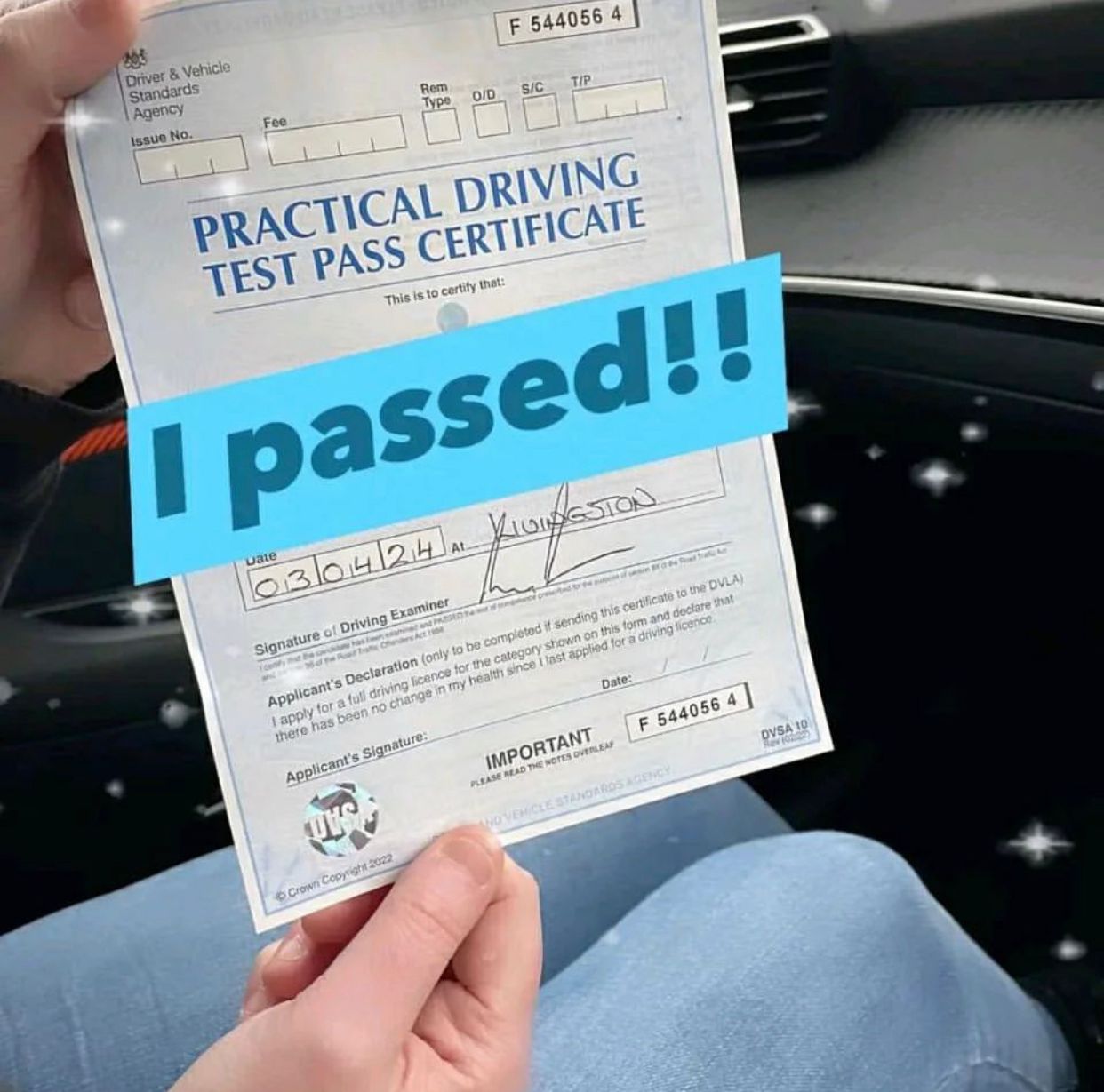
Upon passing the practical driving test, the recently certified driver will receive a complete driving licence, which can be utilized for any pertinent vehicle classification. The brand-new licence will normally be sent through the post within a couple of weeks.
Costs Associated with Obtaining a Driving Licence
Comprehending the costs included in acquiring a driving licence is important for budgeting. Below is an approximated breakdown of the related costs:
| Item | Approximated Cost (GBP) |
|---|---|
| Provisional Licence | ₤ 34 (online)/ ₤ 43 (by post) |
| Driving Lessons (per hour) | ₤ 25 - ₤ 50 |
| Theory Test | ₤ 23 |
| Dry run | ₤ 62 (weekdays); ₤ 75 (weekends) |
| Additional Costs (e.g., insurance, vehicle running expenses) | Variable |
Note: Costs can differ based upon place, trainer experience, and other elements.
FREQUENTLY ASKED QUESTION: Common Questions About UK Driving Licences
1. What do I require to bring to my driving test?
You require to bring your provisionary driving licence, a valid theory test pass certificate, and an automobile that fulfills all test requirements (which can be leased from the instructor if required).
2. The length of time does a provisional licence last?
A provisionary driving licence is legitimate for 10 years. After which, it must be renewed.
3. Can I drive with a provisional licence?
Yes, you can drive with a provisionary licence, but you should be accompanied by a qualified driver over 21 who has actually held a complete driving licence for at least three years.
4. What occurs if Buy A Driving Licence fail my driving test?
If you fail, you can retake the test after a minimum waiting period, which is generally around 10 days.
5. Can I drive outside the UK with a UK driving licence?
Yes, a UK driving licence is usually accepted in many countries. However, it's advisable to examine the particular requirements of the location nation, as some might need an International Driving Permit.
Navigating the procedure of obtaining a driving licence in the UK can appear intimidating at initially; nevertheless, understanding the requirements, costs, and procedures involved can substantially reduce the journey. From getting a provisionary licence to passing both the theory and dry runs, preparation is crucial. By following the actions laid out in this guide, potential drivers will be well-prepared to strike the roadway with self-confidence. If you plan on taking this important step in your life, equip yourself with the essential understanding, invest in quality driving lessons, and practice vigilantly. Safe driving!